Austin summers are notoriously hot and very long. You rely heavily on your home cooling system every day. Your home should be a comfortable oasis from the scorching sun.
A reliable air conditioner is not just a luxury here. It is an absolute necessity for your family health. The last thing you want is a sudden breakdown mid-July.
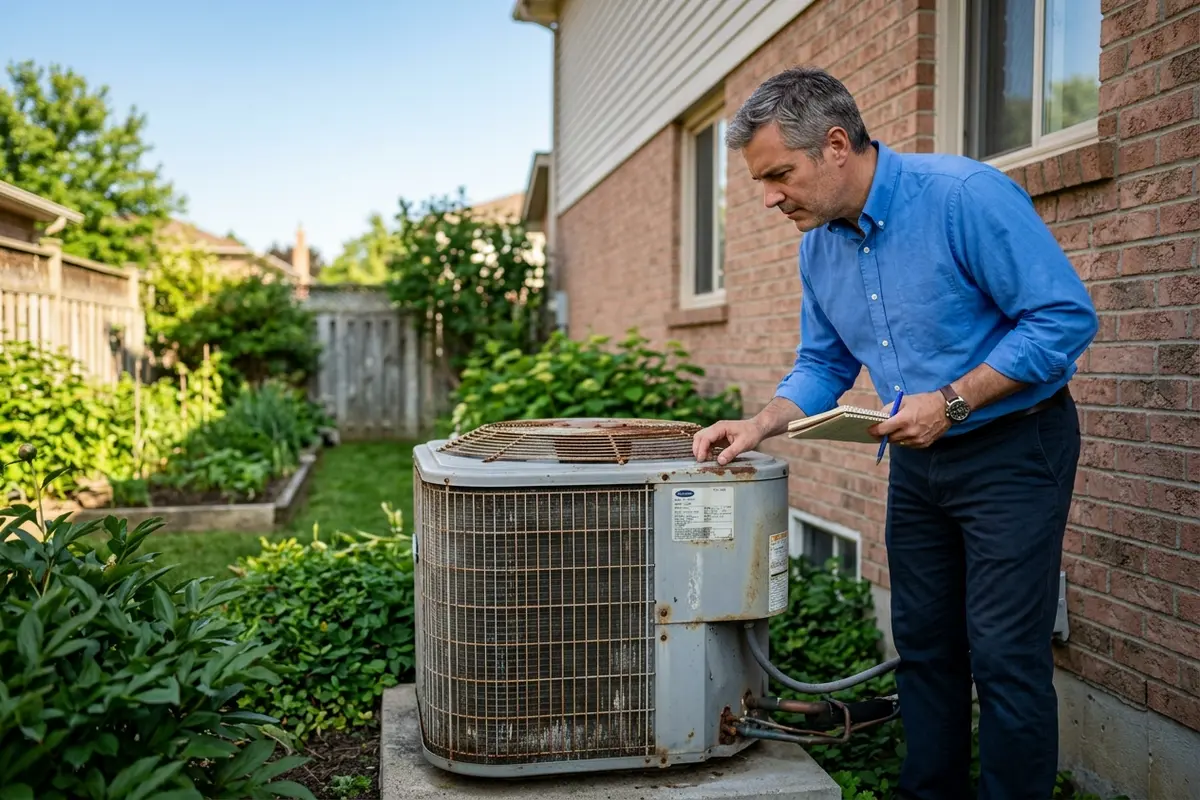
If your system is aging, you might face a tough choice. You are probably asking, should i replace my 20 year old air conditioner this year? It is a common question for many homeowners in Austin.
We hear this often as we provide AC replacement Austin. The Texas heat pushes cooling equipment to its absolute limits. Keeping an older system running can cost you serious money.
If you delay the replacement, you risk a total system failure. Nobody wants to be stuck without air conditioning in Texas. Emergency replacements often cost more than planned and scheduled upgrades.
A new system will perform much better and save cash. We want to help you plan your HVAC future properly. Let us explore if upgrading your older unit makes financial sense.
The Lifespan of Austin HVAC Systems: Is 20 Years Too Long?
Air conditioners work incredibly hard in Central Texas. Austin’s extreme summer heat takes a toll on cooling units. Most central air systems last about 15 years on average.
Reaching the two decade mark is quite an achievement. However, a unit that old is living on borrowed time. Parts become brittle and motors slowly lose their power.
Several factors determine how long your unit will actually survive:
- Frequency of professional maintenance visits
- Quality of the initial system installation
- Size of the unit relative to your home
- Quality of your home insulation
Neglecting any of these areas shortens the equipment lifespan rapidly. If you ignored maintenance previously, your system will fail faster. Reaching twenty years is rare without pristine annual tune-ups.
Your older unit uses outdated technology that wastes electricity. It struggles to cool homes in Round Rock and Pflugerville. The longer you wait, the higher your risk of failure. It is time to evaluate your next cooling steps carefully.
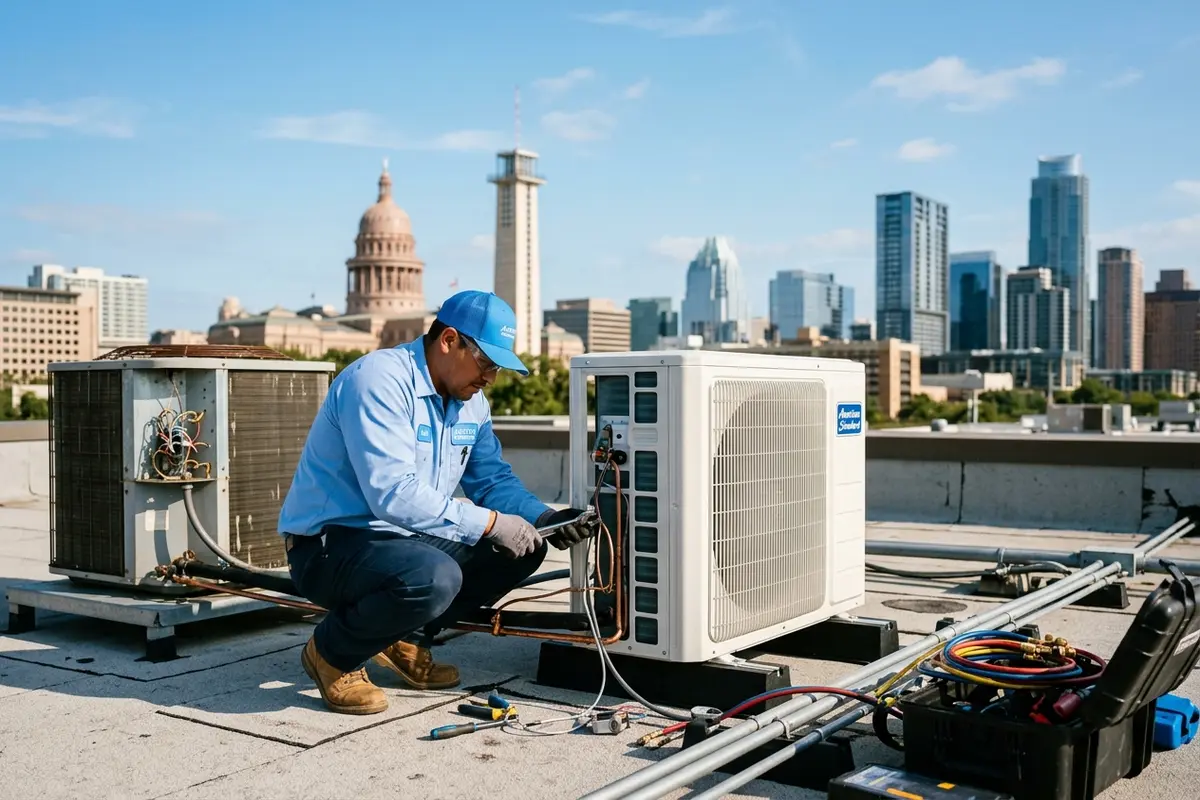
[Image 1: Alt text: “Austin AC replacement on a residential home”]
5 Signs to Replace Your 20-Year-Old AC in 2026
Frequent Repairs and Rising Maintenance Costs
Older cooling units break down much more often. You might find yourself calling for emergency repairs constantly. Those service calls add up to a massive bill fast.
Minor repairs are normal for any mechanical device over time. However, older units start needing major component replacements eventually. Replacing a compressor or a blower motor is extremely costly.
You might spend thousands just keeping the machine barely alive. This creates a stressful cycle of continuous and expensive breakdowns. Financial experts advise against pouring money into obsolete hardware.
If you repair your unit twice a year, reconsider keeping it. Investing that repair money into a new unit is smarter.
Skyrocketing Austin Energy Bills
Have your summer electric bills grown out of control lately? Take a close look at your past utility statements. You will likely notice a steady increase in energy usage.

Your 20-year-old AC loses efficiency with each passing year. It requires more electricity to provide the exact same cooling level. The internal coils get dirty and the motors lose their efficiency.
Modern systems use advanced technology to slash power consumption drastically. A new installation can cut your cooling costs significantly.
R-22 Freon Availability and Cost Issues
Units built two decades ago use R-22 refrigerant to cool. The government phased out this chemical completely for environmental reasons. Manufacturers no longer produce R-22 refrigerant for residential use anywhere.
Finding R-22 today is very difficult and incredibly expensive. A minor refrigerant leak can cost thousands to properly fix. Many HVAC technicians cannot even source the chemical for repairs. Modern units use eco-friendly refrigerants that cost much less.
Inconsistent Cooling and Poor Indoor Air Quality
Does your home have annoying hot and cold spots? Older compressors struggle to push air evenly throughout your house. This leads to major discomfort during the hottest summer months. One room might be freezing while another feels like an oven.
Aging systems also fail to filter out dust and allergens effectively. Pet dander and pollen can build up inside old machinery. You might need a professional duct cleaning service very soon. A new unit improves air flow and freshens your indoor air.
The Financial Case: Repair vs. Replacement Costs
Deciding between a fix and an upgrade involves simple math. Many experts recommend the five thousand rule for quick evaluations. Multiply the age of your unit by the estimated repair cost. If the total exceeds 5,000, buy a new system instead.
- A 400 dollar repair on a 20-year unit equals 8,000.
- This exceeds the limit and dictates a total replacement.
- A 100 dollar minor repair equals 2,000 and is acceptable.
For a 20-year-old unit, almost any repair fails this test. You must also consider Texas HVAC efficiency standards in 2026. The government updated the minimum SEER2 ratings recently.
A new unit easily beats the efficiency of older models. You will save money every month on lower utility bills. For an external perspective, check out this helpful HVAC guide. These massive efficiency gains make a new purchase highly worthwhile.
Maximizing Your New Investment in Austin
A new air conditioner requires a supportive home environment to thrive. You cannot just swap the box and expect total perfection. You must check the surrounding infrastructure of your entire house. The best air conditioner will fail if your home leaks air.
Why Air Duct Repair is Vital for New AC Units
Leaky ductwork forces your new system to work too hard. Conditioned air escapes into your hot attic before reaching you. This wastes the cooling power of your brand new investment.
The Department of Energy says leaky ducts waste thirty percent of cooling. You pay for cold air that never reaches your living room. Professional duct repair services seal these hidden gaps completely. This ensures every room gets the cold air it needs.
[Image 2: Alt text: “Technician performing Austin AC replacement and ductwork”]
The Role of Attic Insulation in AC Performance
Insulation acts as a thick barrier against the intense Texas sun. Poor insulation lets extreme heat radiate into your living space. Your cooling system must battle this constant heat intrusion daily.
Upgrading your home with attic insulation services makes a huge difference. It traps the cold air inside and lowers your energy demands. Proper insulation extends the life of your new air conditioner. It prevents the system from running continuously during the afternoon.
Local Austin Regulations and Rebates for 2026
The city of Austin encourages residents to improve energy efficiency safely. Austin Energy utility customers often qualify for great financial incentives today. You can get rebates for installing high-efficiency cooling equipment.
These local programs help offset the initial installation cost significantly. Some rebates require specific energy audits before the new installation begins. You also need a system that meets current local building codes.
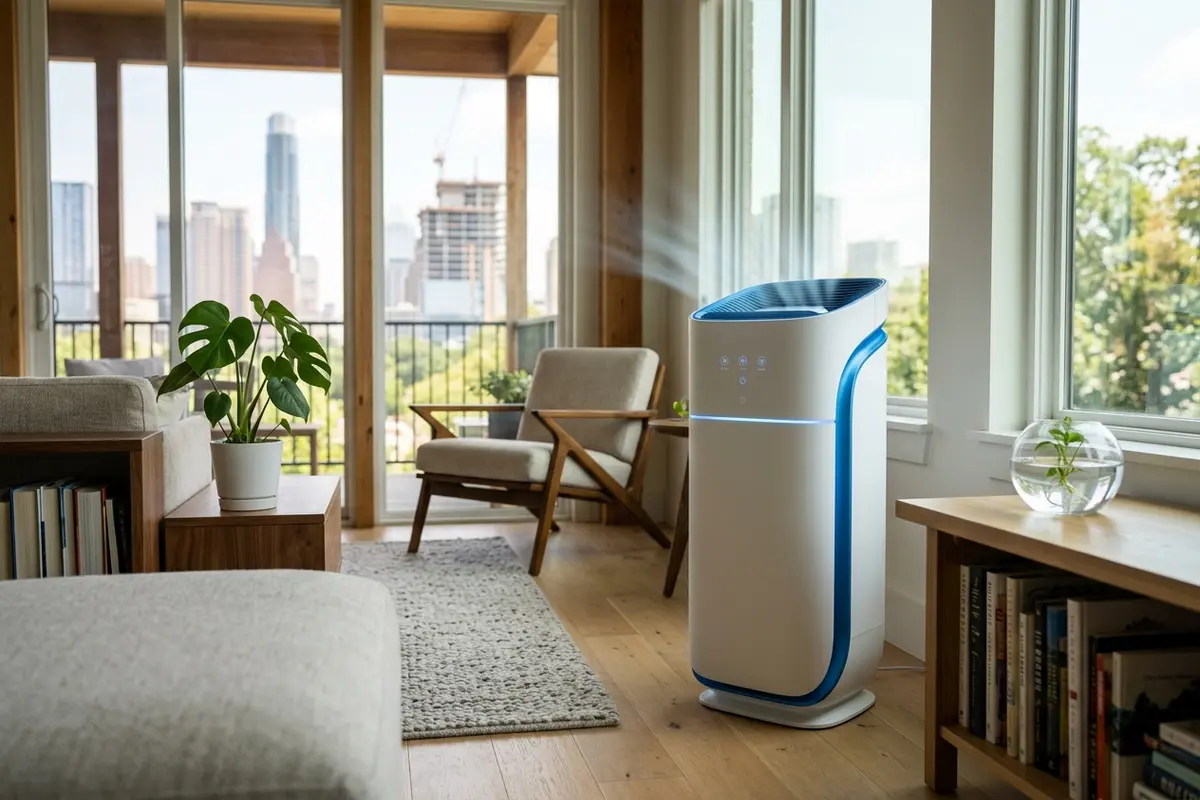
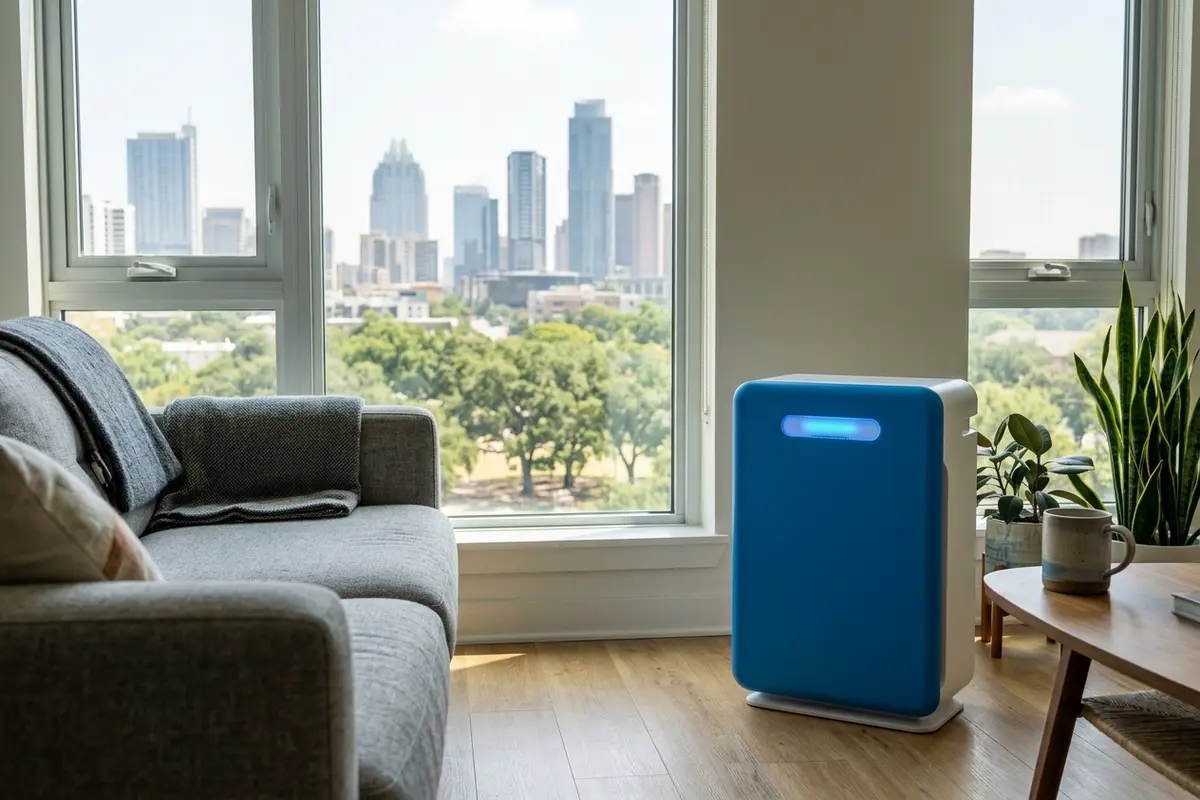
Texas HVAC efficiency standards are stricter in 2026 than before. A licensed contractor ensures your new system passes all city inspections. Proper installation guarantees safety and maximum performance for your home. You can also explore air purification systems for added health benefits.
Conclusion: Making the Best Choice for Your Austin Home
A two-decade-old cooling unit is a massive liability in Texas. Replacing it brings you better comfort and lower energy bills. You avoid sudden breakdowns during the worst summer heatwaves.
Upgrading is the smartest financial move for homeowners in Austin. You will enjoy a cool and comfortable home all year round.
Contact Greenwood Air Duct Cleaning today for expert service. Get the best AC replacement in Austin, TX. Ensure your home stays cool all through 2026.
Frequently Asked Questions
1. How long does an AC unit typically last in Austin, TX?
Most central air conditioners last between 12 and 15 years. The extreme summer heat causes significant wear and tear locally. Regular maintenance can sometimes extend this lifespan slightly. However, running a unit for 20 years is very rare here. The climate simply demands too much from residential cooling equipment.
2. Is it worth fixing a 20-year-old air conditioner?
No, fixing a unit this old is rarely worth it. Replacement parts are incredibly hard to find and very expensive. A new system offers far better reliability and daily comfort. You also get a brand new warranty for total peace of mind. Investing in new technology is a much wiser financial decision.
3. What is the average cost of HVAC replacement in Austin in 2026?
Costs vary based on the size and efficiency of the unit. Most homeowners spend between 5,000 and 10,000 dollars total. High-efficiency models cost more upfront but yield larger energy savings. Ductwork repairs and insulation upgrades will also affect the final price. We provide accurate estimates tailored to your specific home layout.
4. Can a new AC unit lower my Austin Energy bill?
Yes, a modern system can lower your bill significantly. New units use far less electricity to cool your home. The monthly utility savings help pay for the new installation rapidly. You might also qualify for special city rebates and tax credits. This makes upgrading an excellent long-term investment for your property.
5. Should I replace my air ducts when I get a new AC unit?
You should replace them if they are damaged or leaky. Old ducts waste the conditioned air from your new unit. A quick inspection determines if simple repairs will suffice instead. Sometimes a thorough cleaning and minor sealing is all you need. We always evaluate your ductwork during a new system installation.