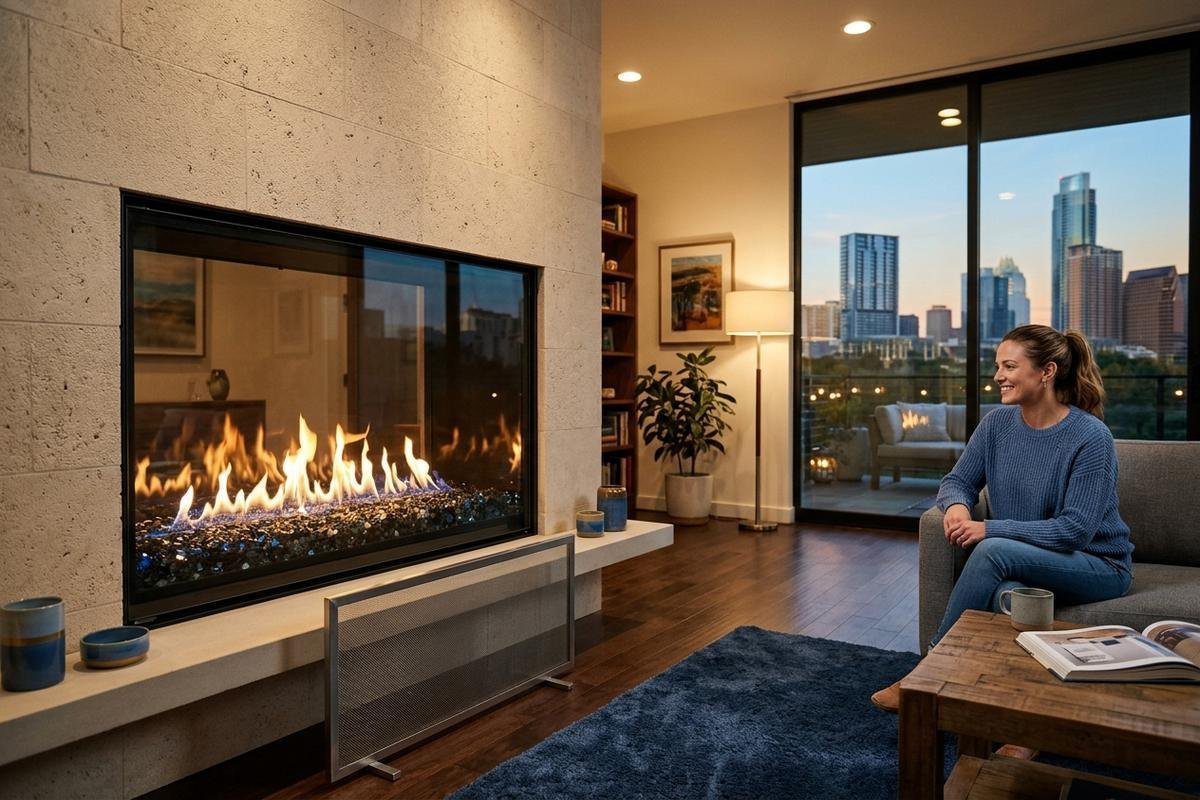
Austin winters bring sudden cold snaps that freeze the entire city. Locals love using their indoor fireplaces. Therefore, early preparation is essential for maintaining your family’s safety this season.
Many homeowners forget one vital step before lighting the logs. You must learn how to open chimney flue correctly. Doing this prevents major smoke damage from completely ruining your beautiful living room walls.
Proper airflow stops dangerous gases. As a result, scheduling a chimney cleaning matters greatly. We help Austin, TX residents stay safe throughout the long, unpredictable cold season.
Understanding Your Chimney Flue and Damper System
Some people confuse the pipe and the door. The flue is the actual physical pipe stretching up to your roof. It carries smoke away safely.
Different types of chimney flues exist depending on their exact age. Older Travis County properties often feature traditional clay tile liners. These thick tiles handle intense heat quite well during heavy, continuous winter use.
That crucial door sits inside the pipe. A standard throat damper rests on a small metal ledge just above the firebox. It uses a heavy metal plate.
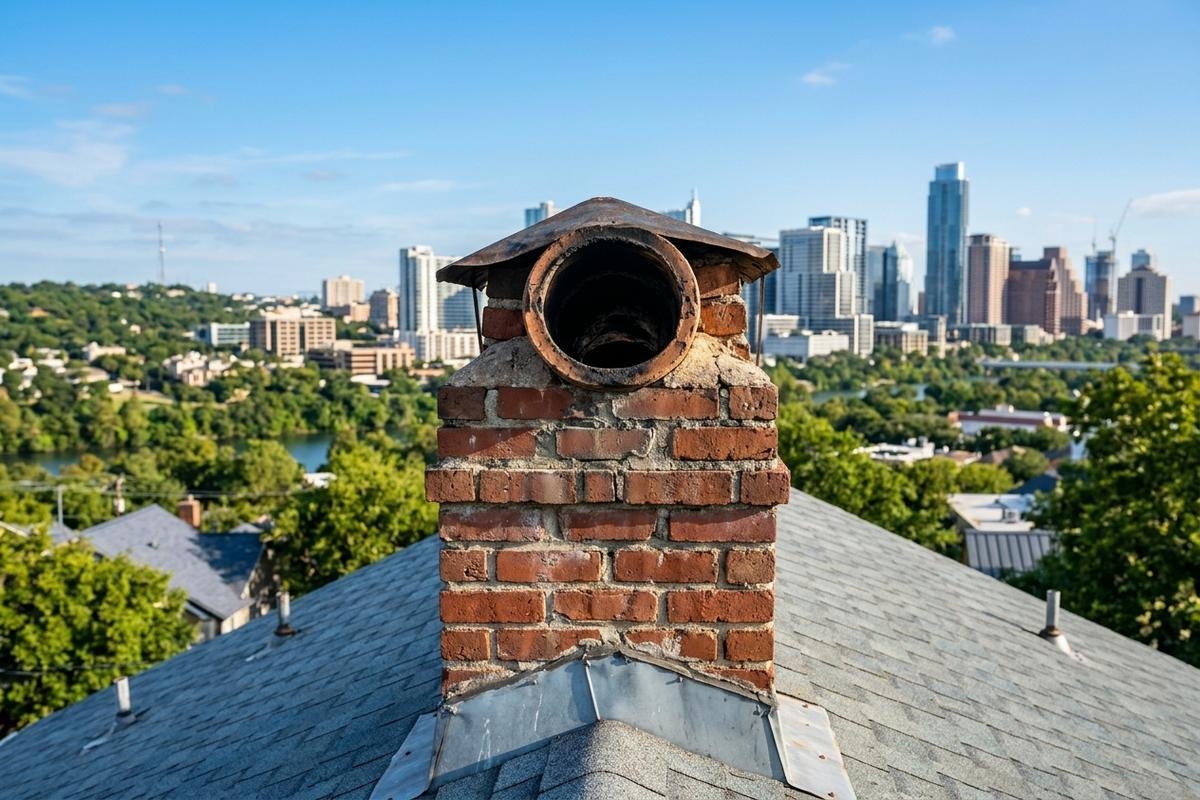
Roof-mounted models sit high up on top of the chimney. They feature a long stainless steel cable running down the pipe interior. Because of this, you pull the cable inside to close it.
Step-by-Step: How to Open Chimney Flue Before a Fire
Understanding how to open chimney flue systems is crucial. You just need to follow a few specific steps carefully. First, ensure your fireplace is completely cold before touching any hardware components.
Before starting, put on thick work gloves. Soot makes everything inside the firebox extremely dirty and greasy. Therefore, protecting your bare hands from grime is always a smart idea.
Locate the Damper Handle or Rotary Screw
Finding the control lever comes first. Some fireplaces have a simple push lever tucked inside the masonry wall. You push it up firmly.
Historic Austin houses often feature rotary styles instead of modern pull levers. You turn a cast-iron screw counterclockwise to open the vent. This old mechanism rusts quickly in Texas.
Ceiling brackets hold modern cables securely in place. You unhook the small chain from the metal wall bracket carefully. As a result, a strong roof spring pops the heavy door open automatically.
Checking for Obstructions in Austin Chimneys
Animals love hiding inside warm pipes. Raccoons frequently build large nests inside unsealed Austin chimneys. Therefore, you must look closely for any dangerous blockages before starting a fire.
Watch out for these common physical obstructions:
- Heavy soot falling down the pipe over time.
- Large bird nests built during the spring.
- Falling leaves blown down from the roof.
- Broken clay tiles blocking the flat metal plate.
This thick debris easily stops the door from moving. Because of this, the heavy metal plate will not open. In fact, large tree branches can get firmly stuck.
The Visual Test: Verifying the Airflow
Verifying the door position is absolutely essential for your safety. Look straight up into the dark pipe with a flashlight. You should see clear daylight shining at the very top.
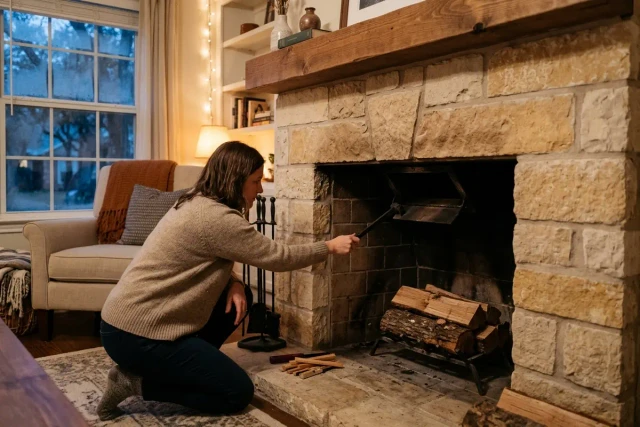
Nighttime fires require a completely different test for proper airflow. You cannot see the sun shining at night. Because of this, you must physically feel for cold air falling downward.
Using a tightly rolled newspaper works incredibly well. Light one end of the paper just like a small torch. Hold it near the door to watch the gray smoke pull upward.
Why Opening Your Flue is Critical for Safety in 2026
Indoor fireplace safety remains a massive priority in 2026. A closed damper traps deadly carbon monoxide inside your cozy living room. This toxic gas has absolutely no smell.
Toxic smoke ruins your indoor air quality. It stains your living room walls with dark black soot almost instantly. As a result, you face very expensive paint and furniture repair bills.
City safety codes demand proper venting for all residential wood fireplaces. We teach homeowners how to open chimney flue hardware correctly. For example, check this safety manual for current structural rules and modern requirements.
Excellent airflow stops dangerous creosote fires from starting. Creosote is a highly flammable, sticky black substance that coats your masonry. It builds up fast when fires burn too cool.
Common Chimney Damper Issues for Austin Homeowners
Humid Texas weather causes very unique hardware problems for local homeowners. The high humidity creates massive rust issues on exposed cast iron parts. Metal corrodes very quickly here.
Foundation settling causes major trouble for older brick homes. The heavy clay bricks shift slowly over a long time. Therefore, a broken chimney damper Austin residents face wedges firmly shut.
Expert dryer vent cleaning helps maintain excellent airflow throughout your whole house. Keeping all exhaust vents clear is vital. Meanwhile, fresh attic insulation protects your home from freezing winter drafts entering.
Broken handles require brand new hardware to function properly again. Sometimes the whole rusted frame needs replacing by a trained professional expert. Because of this, fast air duct repair is a smart, safe choice.
Routine inspections prevent surprise hardware failures during the coldest weeks. You should check the metal mechanism closely every single fall. Test the push lever before the first major Texas freeze finally arrives.
Routine Maintenance for Your Fireplace System
Constant care extends your hardware life significantly. You should sweep the dirty firebox out every single week. Ash buildup holds damaging moisture directly against the sensitive moving metal parts.
Installing a great chimney cap helps protect the entire system. This heavy metal lid sits securely on the roof. It stops heavy rain from pouring inside the dark pipe.
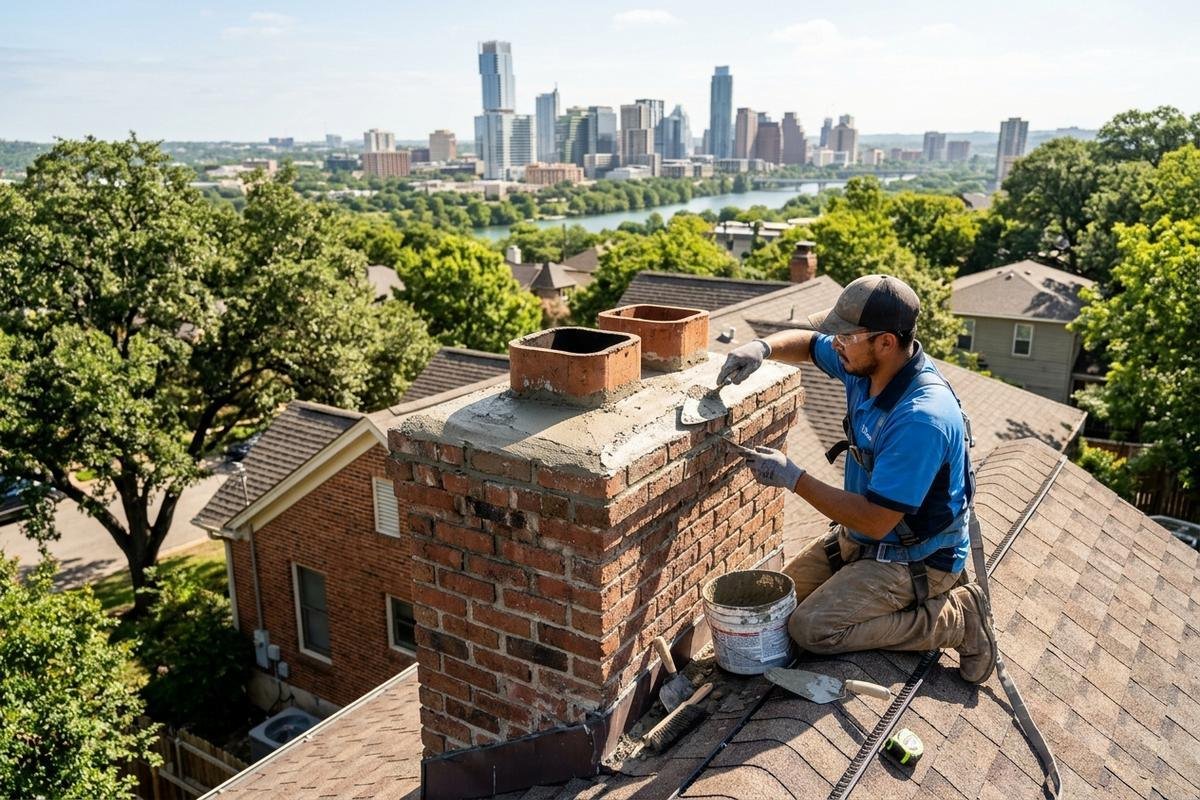
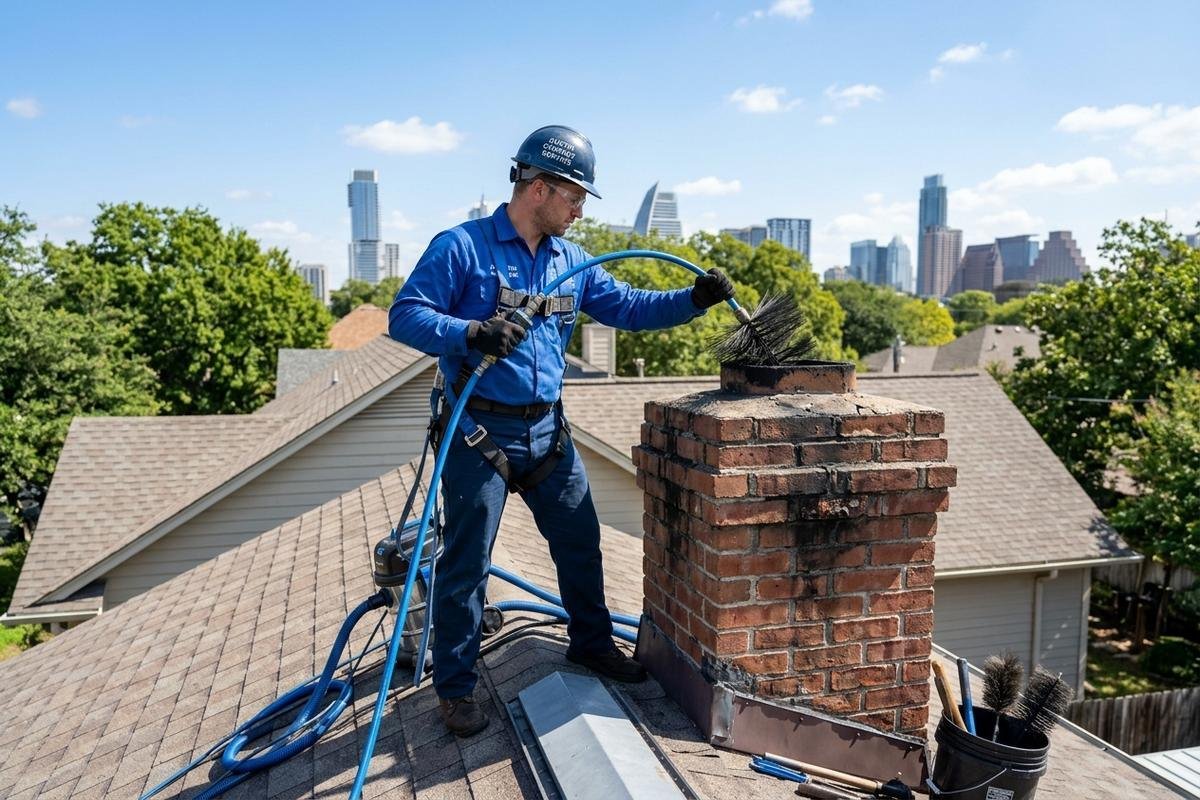
Yearly chimney safety 2026 checks are vital for older properties. A professional sweep inspects every single part of the complex venting system. They use special robotic cameras to look deep inside the dark masonry.
Ignoring minor warning signs is a terribly bad idea. A stiff handle is a clear warning of impending hardware failure soon. You should never force a stuck lever.
When the lubricating grease fails, call a technician. Forcing the rusted handle will snap the metal in half instantly. As a result, you ruin the entire frame and waste your money.
Maximizing Heat Efficiency During Austin Winters
Wood fires provide great heat when used correctly. A fully open damper creates a strong draft up the exhaust pipe. This vertical draft feeds fresh oxygen directly to your brightly burning fire.
After enjoying the roaring fire, close the door tightly. Waiting until the hot ashes cool completely is extremely important for safety. An open door lets your expensive furnace heat escape upward constantly overnight.
Upgraded hardware seals the best against freezing weather. It works exactly like a tight storm door on your front porch. It features a thick rubber gasket seal that stops annoying air leaks.
Replacing older hardware makes sense today. Cast iron models leak a lot of air around the rough edges. In fact, replacing them saves money on your monthly winter energy bills.
Residents face rising energy costs during the winter. Stopping unseen drafts helps lower these frustrating monthly utility bills immediately. You should check your rubber damper seal very often for tiny tears.
Regular air duct cleaning keeps systems running efficiently. Clean air systems perform much better than dirty, neglected ones. Your whole house stays warm and comfortable all winter long without strain.
Frequently Asked Questions
1. How can I tell if my chimney flue is open or closed?
Performing a quick visual check is the best approach here. Shine a bright flashlight straight up the dark exhaust pipe. You will see bright daylight if the path is completely clear. Alternatively, you can feel for a cold draft with your hand. This is how to tell if chimney flue is open easily.
2. What happens if I light a fire with the chimney flue closed?
Blocked pipes trap dangerous smoke inside your enclosed living room. This thick smoke fills your Austin home instantly upon lighting. Because of this, deadly carbon monoxide builds up incredibly fast. It causes massive health risks for your entire sleeping family. The soot also ruins your beautifully painted walls and furniture.
3. Why is my chimney damper stuck and won’t open?
Metal parts get stuck very often due to poor maintenance. Heavy soot buildup jams the swinging hinges tightly in place. Texas humidity also causes severe rust damage on older metal. Therefore, the metal plates fuse together over a long period. You need Austin chimney cleaning services to fix this safely.
4. Should I open the flue before or after lighting the fire?
Always open it fully before lighting any kind of wood. This establishes a strong draft right away in the cold pipe. As a result, smoke pulls upward immediately without leaking inside. Opening it later causes toxic smoke to enter your room. Knowing how to open chimney flue doors saves lives.
5. Where can I find professional chimney maintenance in Austin, TX?
Greenwood Air Duct Cleaning offers great service for local residents. We provide expert chimney care across Austin and surrounding areas. Our trained team ensures your fireplace works safely all winter. In fact, we prepare homes thoroughly for the 2026 freezing season. Call us today to schedule your next comprehensive safety inspection.
Ready to enjoy a warm fire safely? Contact Greenwood Air Duct Cleaning for the best chimney cleaning in Austin, TX. Schedule your 2026 inspection today to ensure your flue is in perfect working order!