Bathroom ceiling insulation is a layer of material installed above your bathroom ceiling, usually in the attic, that keeps heat, cold, and moisture from moving where they shouldn’t. Done right, it lowers energy bills, stops ceiling condensation, and helps prevent mold. At Greenwood Air Duct Cleaning in Austin, TX, we see every week how bathroom insulation, exhaust fan ducts, and your HVAC system work together. Through our air duct cleaning, dryer vent cleaning, chimney cleaning, commercial air duct cleaning, and deep inspection services, we help homeowners spot the airflow and moisture problems that poor insulation leaves behind.
What Is Bathroom Ceiling Insulation?
Bathroom ceiling insulation is the barrier between your bathroom and the attic space above it. In most Austin homes, that attic gets extremely hot in summer, often well above 130°F on a July afternoon. Without enough insulation, that heat pushes down into the bathroom. In winter, the opposite happens, and warm, wet air from your shower rises and meets a cold ceiling surface.
The most common materials are fiberglass batts, blown-in cellulose, blown-in fiberglass, mineral wool, and spray foam. Each one slows heat transfer, but they handle moisture differently. That difference matters a lot in a bathroom, which is the most humid room in the house.
Why Bathrooms Need Special Attention
A single hot shower can release a surprising amount of water vapor into the air. If that vapor has nowhere to go, it moves into the ceiling drywall and the insulation above it. Over time, damp insulation loses much of its ability to hold back heat, and it creates the perfect spot for mold and mildew to grow.
This is why bathroom ceiling insulation is never a stand-alone project. It has to work with good ventilation, a sealed ceiling, and a properly vented exhaust fan. When one of those pieces fails, the others suffer too.
Signs Your Bathroom Ceiling Needs Better Insulation
You don’t need to climb into the attic to notice a problem. Many homeowners first see water droplets forming on the ceiling after a shower. Others notice peeling paint, yellow or brown stains, or a musty smell that returns no matter how often they clean.
Temperature is another clue. If your bathroom feels noticeably hotter in summer or colder in winter than the rest of the house, heat is probably slipping through the ceiling. Higher cooling bills in the Texas summer can point to the same issue. Black spots in the corners of the ceiling are a warning sign as well, since they often mean moisture has been sitting there for weeks or months.
Choosing the Right Insulation Material
Fiberglass batts are affordable and easy to find. They work well when they are cut to fit snugly between joists with no gaps. However, they can sag or lose effectiveness if they get wet repeatedly.
Blown-in cellulose fills gaps and odd spaces better than batts, which makes it a strong choice for attics with lots of wiring and pipes. It is treated to resist pests and fire, but like fiberglass, it performs poorly once it absorbs moisture.
Mineral wool handles humidity better than most fibrous options. It resists water, does not support mold growth, and also adds sound control, which many families appreciate in a bathroom.
Closed-cell spray foam provides both insulation and an air seal in one step. It is the most expensive option, but it blocks air leaks and moisture movement very well. For bathrooms that have had repeated condensation problems, many contractors recommend it.
What R-Value Does an Austin Bathroom Ceiling Need?
R-value measures how well insulation resists heat flow. The higher the number, the better it insulates. Austin sits in the U.S. Department of Energy’s Climate Zone 2, a hot and humid region. For attics in this zone, the DOE recommends roughly R-30 to R-60, depending on how much insulation is already in place.
For most Austin homes, that means about 10 to 16 inches of blown-in material or its equivalent. Because the bathroom ceiling is part of the larger attic floor, it should match the rest of the attic rather than being treated as a separate, thinner area. It’s always smart to check current City of Austin building code requirements before starting any project, since local rules can be stricter than federal guidelines.
Vapor Barriers in a Hot, Humid Climate
Vapor barriers are one of the most misunderstood parts of bathroom ceiling insulation. In cold northern states, builders often place plastic sheeting on the warm side of the ceiling. In Central Texas, that approach can backfire.
Here, the attic is usually hotter and more humid than the air-conditioned room below for much of the year. A full plastic vapor barrier can trap moisture inside the ceiling when humid attic air meets the cool drywall. Most building science experts suggest a vapor retarder, such as kraft-faced batts, or a well-sealed ceiling instead of heavy plastic. Air sealing around light fixtures, fan housings, and plumbing openings often does more good than any vapor barrier.
The Exhaust Fan: Your Insulation’s Best Partner
Even the best bathroom ceiling insulation will fail without a working exhaust fan. The fan pulls moist air out before it can soak into the ceiling. A common rule of thumb is one cubic foot per minute (CFM) of airflow for every square foot of bathroom floor, with a minimum of 50 CFM for smaller rooms.
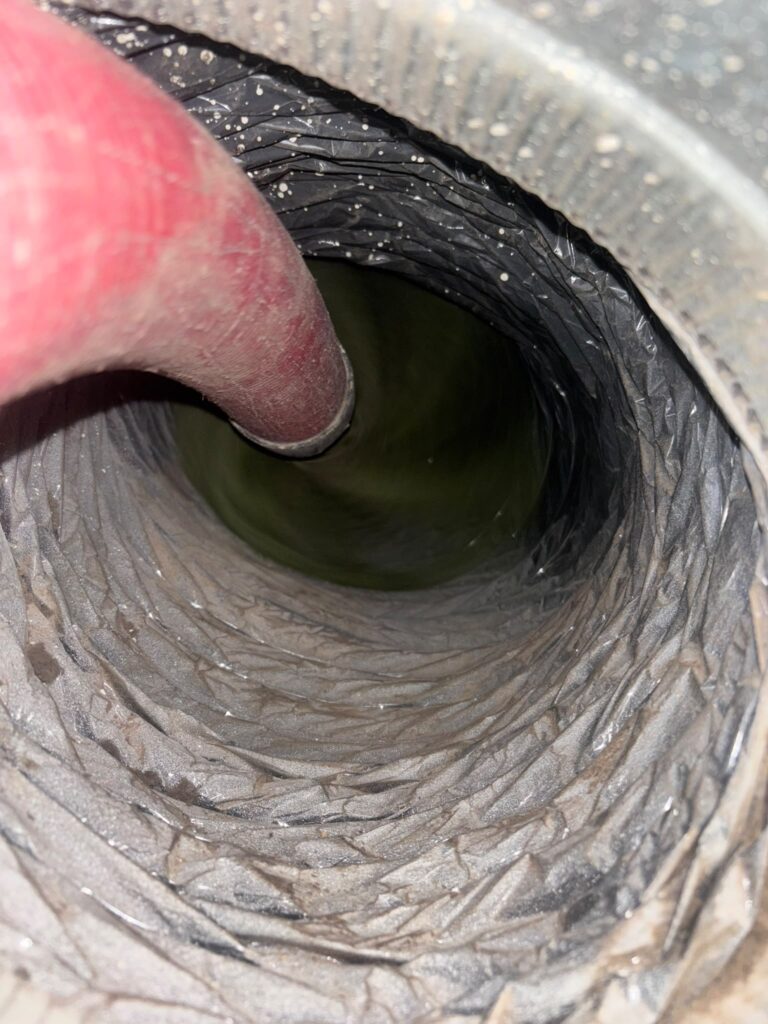
The fan duct matters just as much as the fan itself. We often find exhaust ducts that dump air straight into the attic instead of venting outdoors. That sends all the bathroom’s moisture right onto the insulation you’re trying to protect. Uninsulated ducts running through a hot attic can also sweat, dripping water back down toward the fan housing. The duct should be insulated, as short and straight as possible, and end at a proper roof or wall cap.
How Insulation Connects to Your Air Ducts
Many Austin homes have HVAC ductwork running through the attic, right above the bathroom. When attic insulation is thin or damaged, those ducts work harder, and condensation can form on the outside of them. Leaky ducts can also pull dusty, humid attic air into your living space.
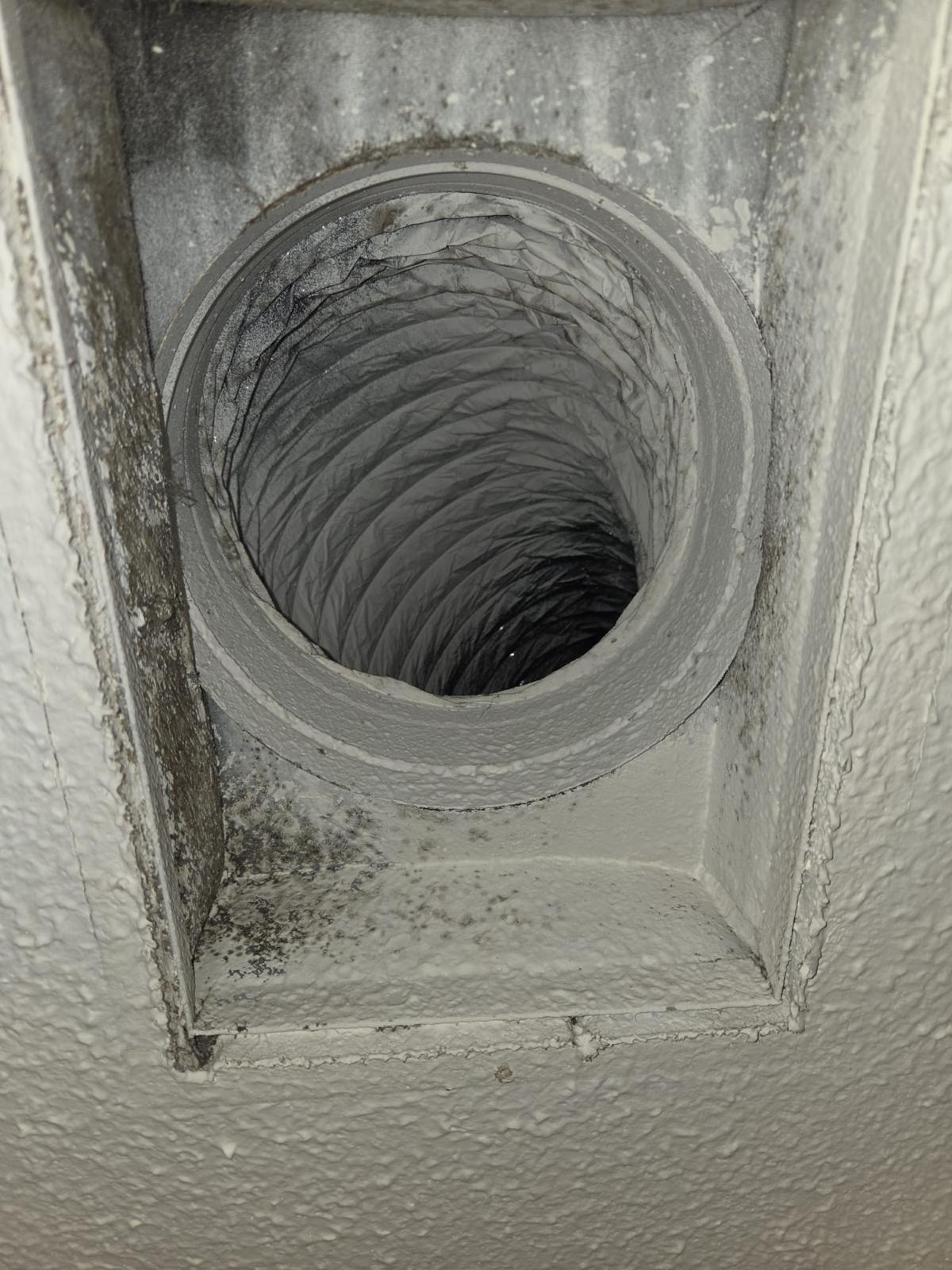
During our deep inspection service at Greenwood Air Duct Cleaning, our technicians look at the condition of your ducts, vents, and nearby attic areas. If we find moisture, dust buildup, or signs of mold near a bathroom, we explain what we see and what it likely means for your home. Clean ducts paired with well-insulated ceilings help your system run more efficiently and keep indoor air fresher.
DIY or Professional Installation?
Adding batts to an easy-to-reach attic can be a manageable weekend project for a handy homeowner. You’ll need protective gear, including a mask, gloves, goggles, and long sleeves. You’ll also need to step only on joists to avoid falling through the ceiling.
Professional help makes more sense if you already see mold, water stains, or damaged drywall. It is also the better route if your attic has limited access, lots of wiring, or old insulation that needs removal. Spray foam should always be installed by trained professionals because of the chemicals and equipment involved. If you’re unsure where to start, an inspection is a low-risk first step.
How Much Does Bathroom Ceiling Insulation Cost?
Costs vary based on material, ceiling size, and attic access. As a general guide, national cost sources in 2026 place fiberglass and cellulose at the lower end of the price range and closed-cell spray foam at the higher end, often several times more per square foot. A small bathroom ceiling is a modest project on its own, but many homeowners choose to upgrade the entire attic at once for better value and more even comfort. Removing old, damp, or moldy insulation adds to the total. Always get a written quote from a local contractor so you know the real price for your Austin home.

Tips to Keep Your Bathroom Ceiling Dry and Healthy
Run your exhaust fan during every shower and for at least 20 minutes afterward. A fan timer or humidity-sensing switch makes this easy. Wipe down wet walls and shower doors to reduce the amount of moisture in the air.
Check your attic once or twice a year for compressed, wet, or missing insulation, especially after heavy storms. Keep an eye on your dryer vent as well, since a clogged dryer vent can push extra heat and humidity into your home. Finally, schedule regular air duct cleaning so dust and moisture don’t build up inside the system that circulates air through every room.
Final Thoughts
Bathroom ceiling insulation does far more than keep a room comfortable. It protects your home from moisture damage, lowers energy bills, and helps stop mold before it spreads. In a hot and humid city like Austin, TX, the right material, the right R-value, and proper ventilation must work together. A good exhaust fan, a sealed ceiling, and clean, well-maintained ductwork are what make insulation last for years.
If you notice condensation, stains, or musty smells in your bathroom, don’t wait for the problem to grow. The team at Greenwood Air Duct Cleaning offers air duct cleaning, dryer vent cleaning, chimney cleaning, commercial air duct cleaning, and deep inspection services across Austin, TX, and nearby areas. Contact us today to schedule a free inspection and breathe easier in a cleaner, healthier home.