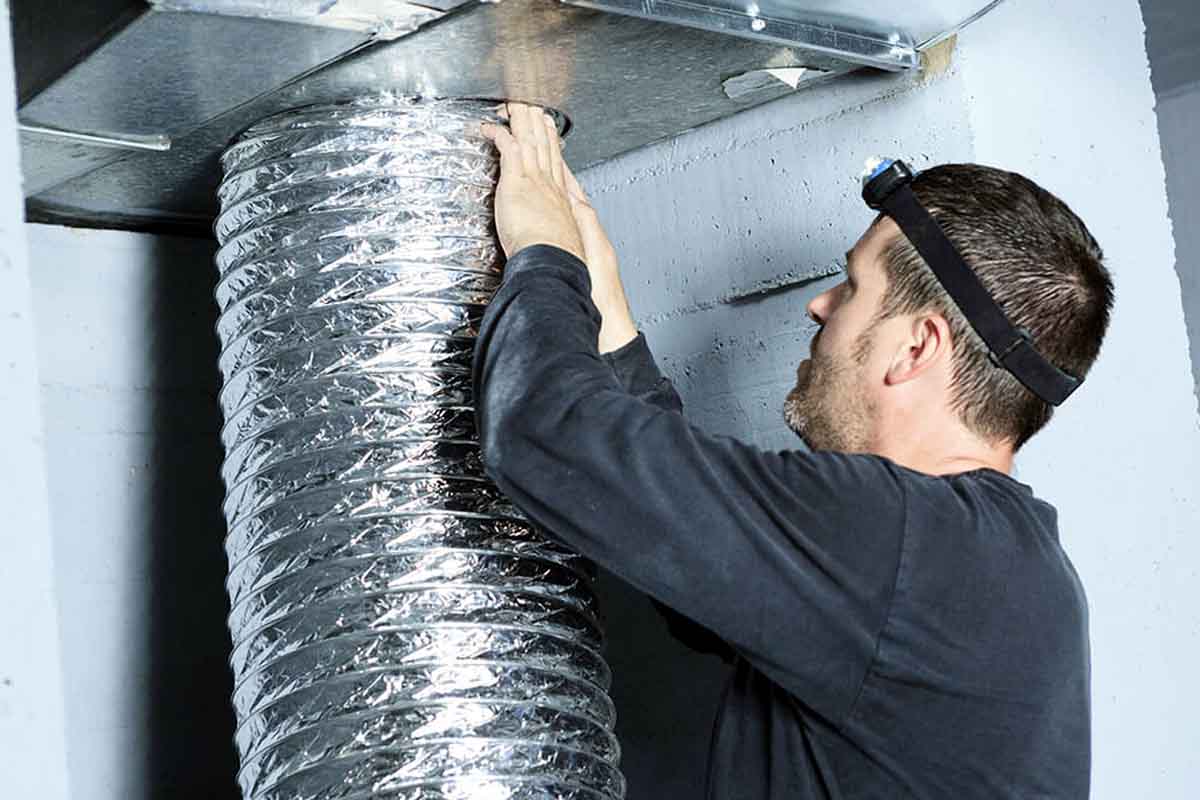
Multi-unit dryer vent cleaning is the professional removal of lint, dust, debris, and airflow blockages from dryer exhaust systems serving apartments, condominiums, assisted living facilities, student housing, and other multi-family properties. Regular cleaning helps dryers operate more efficiently, reduces drying times, protects equipment, and lowers the risk of overheating caused by restricted airflow. Greenwood Duct Cleaning provides dependable dryer vent solutions designed to help property managers, building owners, and residents maintain cleaner and safer laundry systems.
Unlike a single-family home, a multi-unit property may contain dozens or even hundreds of dryers. Each dryer can produce lint that gradually collects inside the vent line. When several units share a centralized exhaust system or have long vent runs, the risk of blockage may increase. Professional cleaning is therefore an important part of routine property maintenance rather than a service that should only be scheduled after a problem appears.
Why Multi-Unit Dryer Vent Cleaning Is Important
Every time a dryer operates, warm air, moisture, and small fabric fibers move through the exhaust vent. Although the lint screen captures some of these fibers, it cannot collect everything. The remaining lint can settle inside vent pipes, elbows, connection points, rooftop exits, and exterior exhaust covers.
As the buildup becomes heavier, airflow becomes restricted. The dryer may then require more time and energy to remove moisture from clothes. This additional strain can contribute to higher utility costs, increased wear on equipment, and more frequent maintenance complaints from residents.
Restricted airflow may also cause heat to remain trapped inside the system. Lint is highly combustible, which makes excessive buildup a serious concern for property owners. Scheduling professional dryer vent cleaning helps remove the material that ordinary lint-screen cleaning cannot reach.
For property managers, proactive cleaning can support tenant safety, improve equipment reliability, and demonstrate responsible building maintenance. It may also help reduce emergency service calls caused by dryers that stop working, overheat, or take several cycles to dry a normal load.
How Multi-Unit Dryer Vent Systems Are Different
Dryer vent systems in apartments and condominiums are often more complicated than residential systems. A vent may travel through walls, ceilings, utility areas, crawl spaces, or multiple floors before reaching the exterior of the building. Some properties use individual exhaust lines, while others may have shared or centralized ventilation arrangements.
Long vent runs and multiple turns can make it easier for lint to settle inside the duct. Vertical vent lines may also create additional challenges because the cleaning equipment must reach several floors while maintaining enough power to remove compacted debris.
Access can be another concern. Exterior vent openings may be located on rooftops, upper floors, balconies, or difficult-to-reach walls. A professional cleaning plan should consider the layout of the building, the number of units, access requirements, dryer locations, and the type of exhaust system being used.
Because every property is different, multi-unit dryer vent cleaning should begin with an evaluation of the system. This helps identify potential restrictions, disconnected sections, damaged vent lines, or areas where lint repeatedly collects.
What Happens During Professional Dryer Vent Cleaning?
The cleaning process usually begins with an inspection of accessible dryer connections and exhaust openings. The technician may check the condition of the vent line, airflow strength, visible lint accumulation, and the way each dryer is connected to the exhaust system.
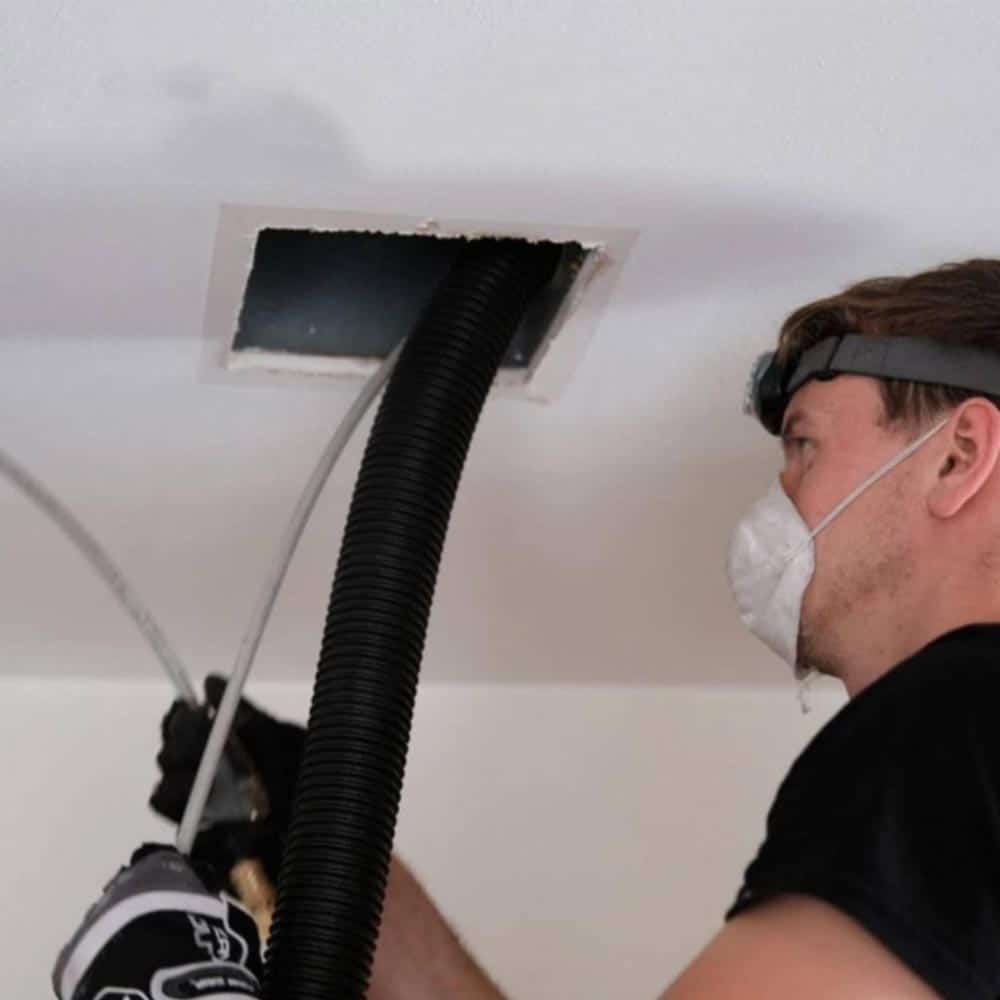
Professional tools are then used to loosen and remove debris from inside the vent. Depending on the design of the system, the cleaning may be performed from the dryer connection, exterior opening, rooftop exit, or a combination of access points.
Flexible rods, specialized brushes, air tools, or vacuum equipment may be used to move lint through the line and collect it safely. Particular attention is given to bends, joints, termination points, and longer sections where debris is more likely to become trapped.
After cleaning, the system should be checked again to confirm that airflow has improved and the exhaust path is clear. When damage or leakage is found, property owners may also need professional air duct repair and replacement to restore proper ventilation.
Common Signs of a Blocked Dryer Vent
One of the most common signs of a restricted dryer vent is an increase in drying time. Residents may report that clothes remain damp after a full cycle or that two cycles are needed for an ordinary load.
The dryer or laundry room may also feel unusually hot. Excessive heat can indicate that warm air is not escaping through the vent correctly. A burning smell, heavy lint around the dryer, moisture inside the laundry area, or an exterior vent flap that does not open properly may also suggest an airflow problem.
Property managers may notice repeated complaints from units connected to the same vent route. When several residents experience similar dryer performance issues, the cause may be inside a shared exhaust line rather than within the individual appliances.
Waiting for complete airflow failure can lead to unnecessary disruption. Arranging an inspection as soon as these warning signs appear can help prevent a minor restriction from becoming a larger maintenance issue.
Properties That Need Multi-Unit Dryer Vent Cleaning
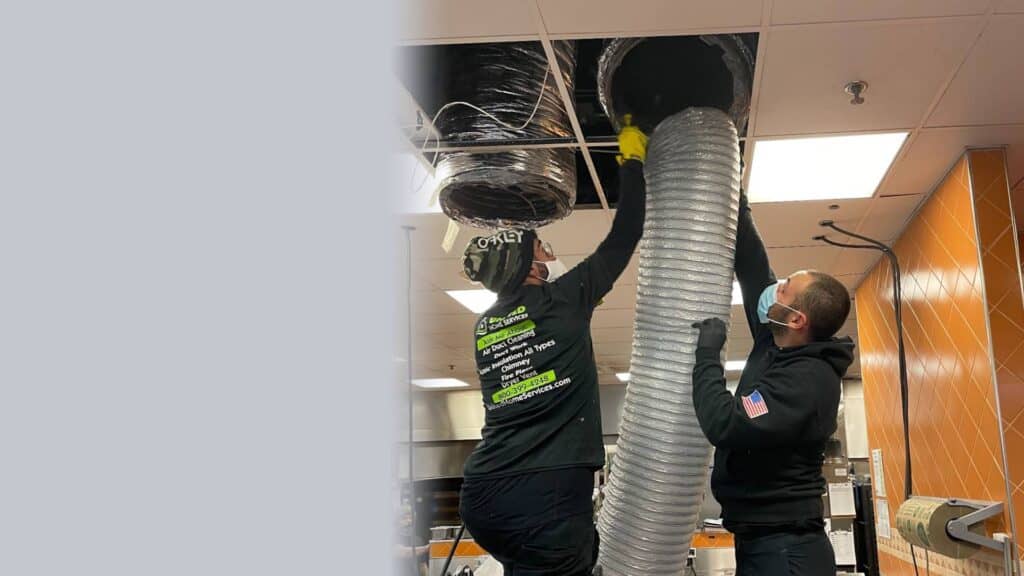
Apartment communities are among the most common properties that require large-scale dryer vent maintenance. Each unit may have its own laundry appliances, or the building may contain shared laundry rooms used by many residents throughout the day.
Condominium associations and homeowners’ associations may also arrange coordinated cleaning for connected units. A scheduled community-wide service can be more efficient than asking every resident to organize individual appointments.
Student housing, senior living communities, hotels, rehabilitation centers, and assisted living facilities may have dryers operating much more frequently than those in standard residential properties. Increased usage produces more lint and may require a more consistent maintenance schedule.
Commercial laundromats and on-site laundry facilities can also benefit from routine cleaning. High-capacity machines that run throughout the day depend on strong airflow to maintain performance and prevent avoidable wear.
Benefits of Regular Multi-Unit Dryer Vent Cleaning
Improved dryer performance is one of the most noticeable benefits. When exhaust air moves freely, dryers can remove moisture more effectively. Residents may experience shorter drying times and fewer repeated cycles.
Better airflow may also support lower energy consumption. A dryer that runs for longer than necessary uses additional electricity or gas. Across dozens of units, even small performance improvements may contribute to meaningful operational savings.
Routine cleaning can help protect dryers from unnecessary strain. Restricted vents force equipment to work harder and remain hot for longer periods. Reducing this strain may help extend appliance life and decrease the frequency of repair requests.
Professional cleaning can also improve the overall resident experience. Laundry problems are frustrating, especially when tenants are paying for shared machines or relying on in-unit dryers. Addressing vent maintenance proactively shows that management is attentive to safety, comfort, and property conditions.
Most importantly, removing combustible lint and improving ventilation can reduce avoidable fire and overheating risks. Cleaning cannot eliminate every possible equipment issue, but it is an essential preventive maintenance step.
How Often Should Multi-Unit Dryer Vents Be Cleaned?
The appropriate cleaning schedule depends on the number of dryers, the amount of usage, the length of the vent lines, and the design of the exhaust system. A small condominium building with lightly used dryers may have different needs from a large apartment complex with shared laundry facilities operating every day.
Many property owners arrange an annual inspection and cleaning, but high-use properties may require more frequent service. Buildings with long vertical vent runs, repeated airflow complaints, or a history of lint blockages should be evaluated more closely.
Property managers should also monitor drying times, resident complaints, appliance temperatures, and visible lint around vent openings. These observations can help determine whether the current maintenance schedule is sufficient.
A professional assessment from Greenwood Duct Cleaning can help identify an appropriate service plan based on the actual condition and use of the system.

Supporting Indoor Air Quality and Building Maintenance
Dryer vent cleaning is one part of maintaining a clean and efficient building. Dust, allergens, debris, and damaged ductwork in other areas can also affect indoor comfort and HVAC performance.
Property owners can explore Greenwood Duct Cleaning’s complete range of professional services when planning broader building maintenance. Periodic air duct cleaning services can help remove accumulated contaminants from HVAC ductwork and improve system cleanliness.
Buildings with uneven temperatures, deteriorating duct sections, or excessive air leakage may need duct repairs in addition to cleaning. Attic conditions should also be considered because damaged or insufficient attic insulation can affect energy efficiency and indoor comfort throughout the property.
For additional indoor air quality support, property owners may consider UV light and air purification. These systems can complement regular HVAC maintenance by helping address certain airborne contaminants as air moves through the system.
Older or inefficient cooling systems may eventually require professional AC replacement to improve reliability and energy performance. Properties with fireplaces or shared chimney structures should also schedule appropriate chimney cleaning to remove soot and other combustible deposits.
Choosing a Multi-Unit Dryer Vent Cleaning Company
A multi-family property requires more planning than a standard residential appointment. The service provider should be able to assess multiple units, understand complex vent layouts, and coordinate access with property management.
Ask how the vent system will be inspected, which cleaning methods will be used, and whether airflow will be checked after the service. The company should also explain how it will handle rooftop exits, shared laundry areas, long vent runs, and units with limited access.
Clear communication is especially important when residents must prepare their laundry areas or allow access to individual apartments. A coordinated schedule can minimize disruption and help ensure that every applicable vent line is cleaned.
Property managers should also avoid selecting a provider based only on the lowest price. An incomplete cleaning may leave lint inside inaccessible sections of the system. The goal should be to hire a company that focuses on thorough work, clear communication, and the long-term condition of the property.
Why Choose Greenwood Duct Cleaning?
Greenwood Duct Cleaning helps property owners address dryer vent restrictions before they lead to larger performance or safety concerns. Our approach focuses on understanding the layout of the property, identifying areas of buildup, and cleaning the exhaust path as thoroughly as possible.
We work with property managers, building owners, condominium associations, and other decision-makers who need dependable solutions for multi-unit properties. Each project is evaluated according to the number of dryers, vent configuration, access requirements, and level of usage.
By combining dryer vent cleaning with related ductwork and indoor air quality services, Greenwood Duct Cleaning can help property owners create a more complete maintenance strategy for their buildings.
Final Thoughts
Multi-unit dryer vent cleaning is an essential service for apartment buildings, condominiums, senior living communities, student housing, hotels, and other properties with several dryers. Lint buildup can restrict airflow, increase drying times, raise energy consumption, place unnecessary strain on equipment, and create avoidable overheating concerns.
A proactive cleaning schedule can help property managers reduce maintenance complaints, improve dryer performance, support resident safety, and protect valuable laundry equipment. The service is especially important for buildings with long vent lines, shared exhaust systems, rooftop terminations, or dryers that operate frequently.
Greenwood Duct Cleaning provides professional solutions for properties that need cleaner, safer, and more efficient dryer ventilation. Scheduling an inspection before serious airflow problems develop can help keep the entire laundry system operating properly and provide greater peace of mind for property owners and residents.