If you want to know how to check your chimney before use, the first thing to do is inspect it for blockages, creosote buildup, cracks, and animal nests before you light that first fire of the season. At Greenwood Air Duct Cleaning, we recommend a full visual and structural check every year to keep your home safe. A chimney that has sat unused for months can hide serious hazards, and a quick, careful inspection helps you catch problems early. In this guide, we walk you through exactly what to look for, step by step, so you can enjoy a warm fire in your Austin home with complete peace of mind.
Why Checking Your Chimney Before Use Matters
Your chimney does one very important job: it safely carries smoke, heat, and harmful gases out of your home. When it is blocked or damaged, those gases can back up into your living space, and creosote buildup inside the flue can catch fire. Every year, dirty and neglected chimneys cause house fires that could have been easily prevented with a simple inspection. Checking your chimney before use is not just about comfort. It protects your family from carbon monoxide poisoning, smoke damage, and dangerous flames. A few minutes of careful checking can save you from expensive repairs and keep everyone in your home breathing clean, safe air.
Start With a Visual Inspection From the Outside
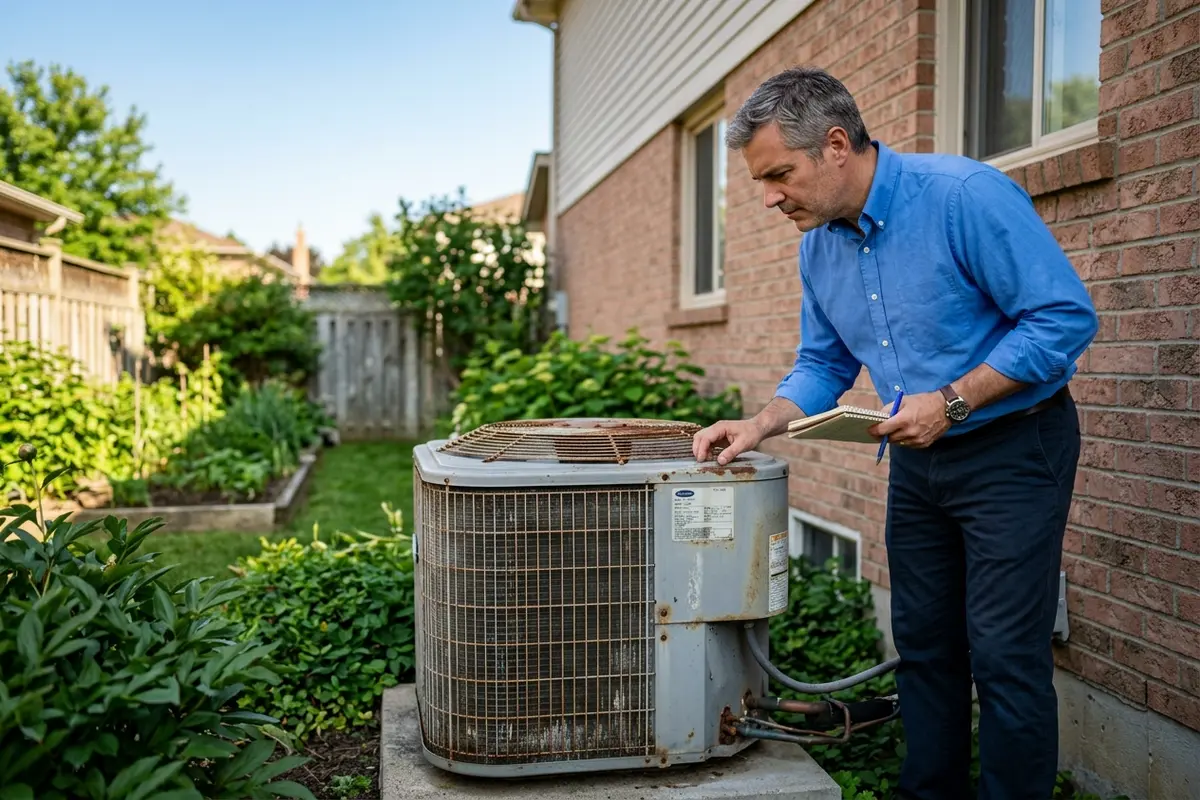
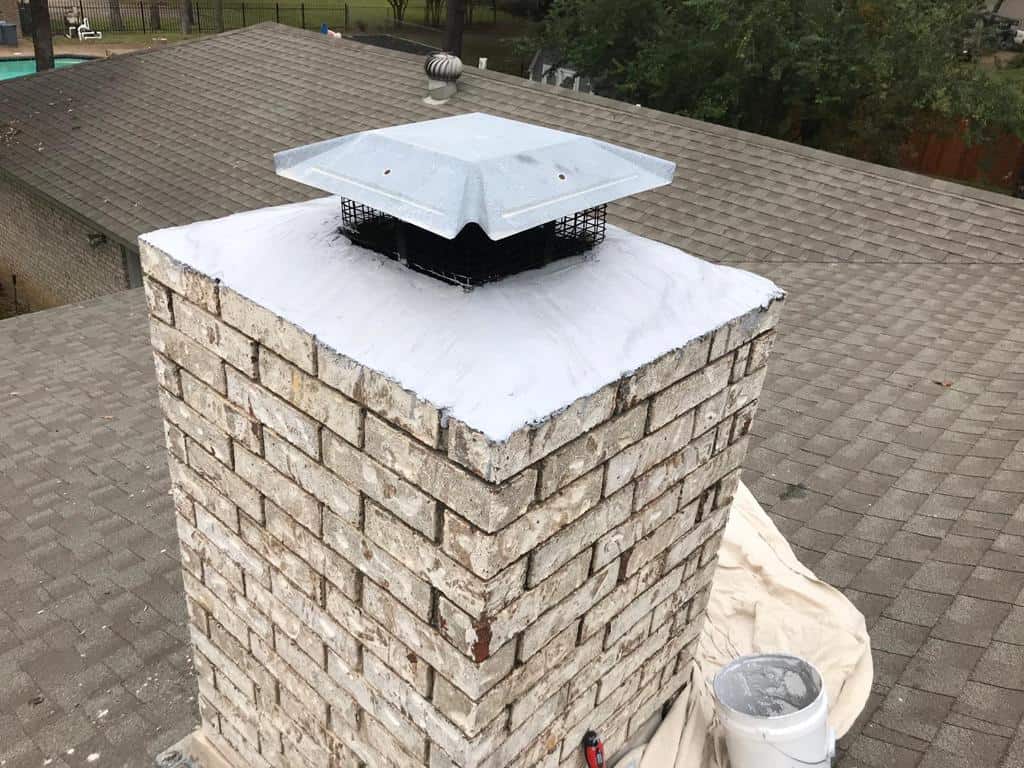
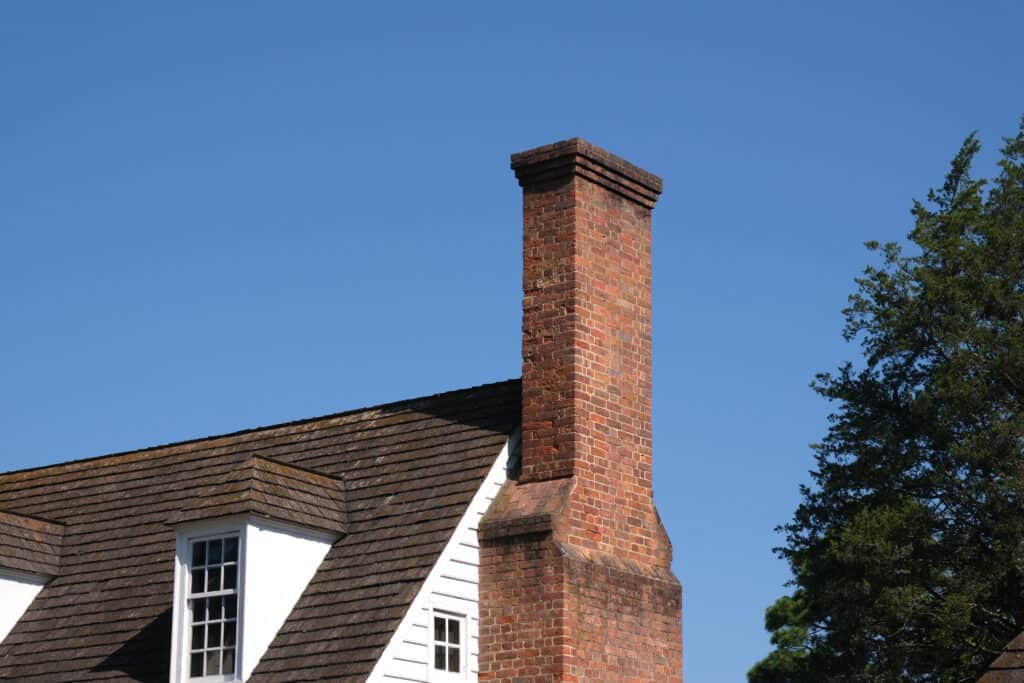
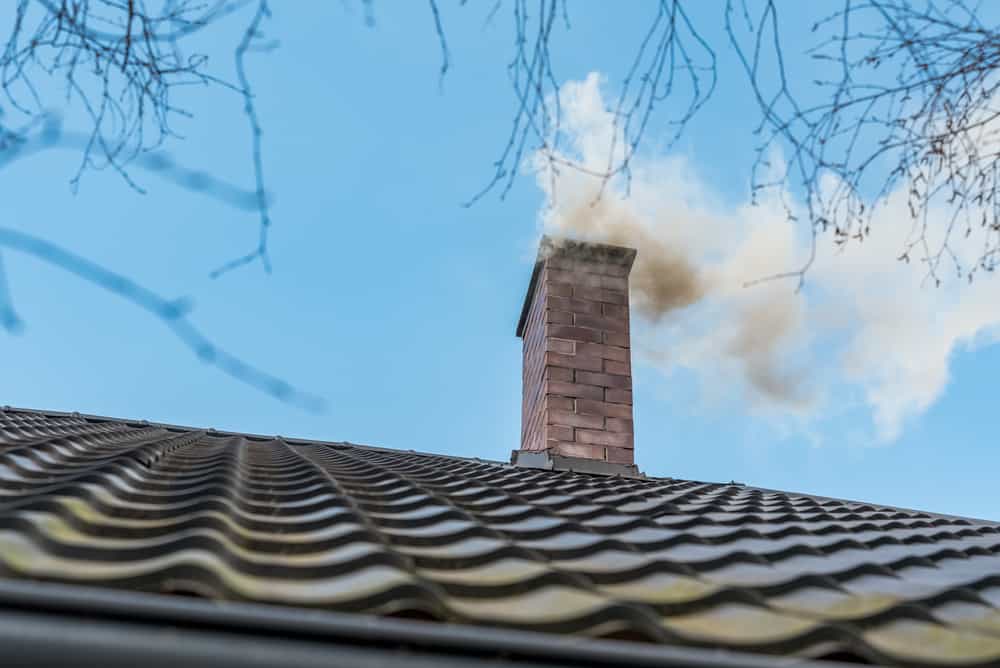
The best place to begin is outside your home, where you can see the top of the chimney clearly. Stand back and look at the overall structure. Check the brickwork and mortar for cracks, missing pieces, or crumbling sections, because damaged masonry can let water and heat escape where they should not. Look closely at the chimney cap, which sits on top and keeps out rain, leaves, and animals. If the cap is missing, bent, or rusted, it needs attention before you light a fire. You should also look for any leaning or sagging, as this can be a sign of a bigger structural problem. If you notice plants growing out of the chimney or dark staining on the bricks, these are clear signs that moisture and buildup have set in.
Look for Animal Nests and Blockages
During the warmer months, birds, squirrels, and other small animals often build nests inside chimneys. These nests block airflow and become a serious fire risk once you light your fireplace. Shine a flashlight up into the flue from inside your fireplace and look for twigs, leaves, feathers, or any signs of movement. If you hear scratching or chirping sounds, an animal may still be living inside. You may also notice a strong smell or find droppings near the hearth. Never light a fire if you suspect a blockage, because the smoke will have nowhere to go and will fill your room instead. Clearing a nest safely often requires professional help, since removing it the wrong way can harm the animal or damage the flue.
Check for Creosote Buildup Inside the Flue
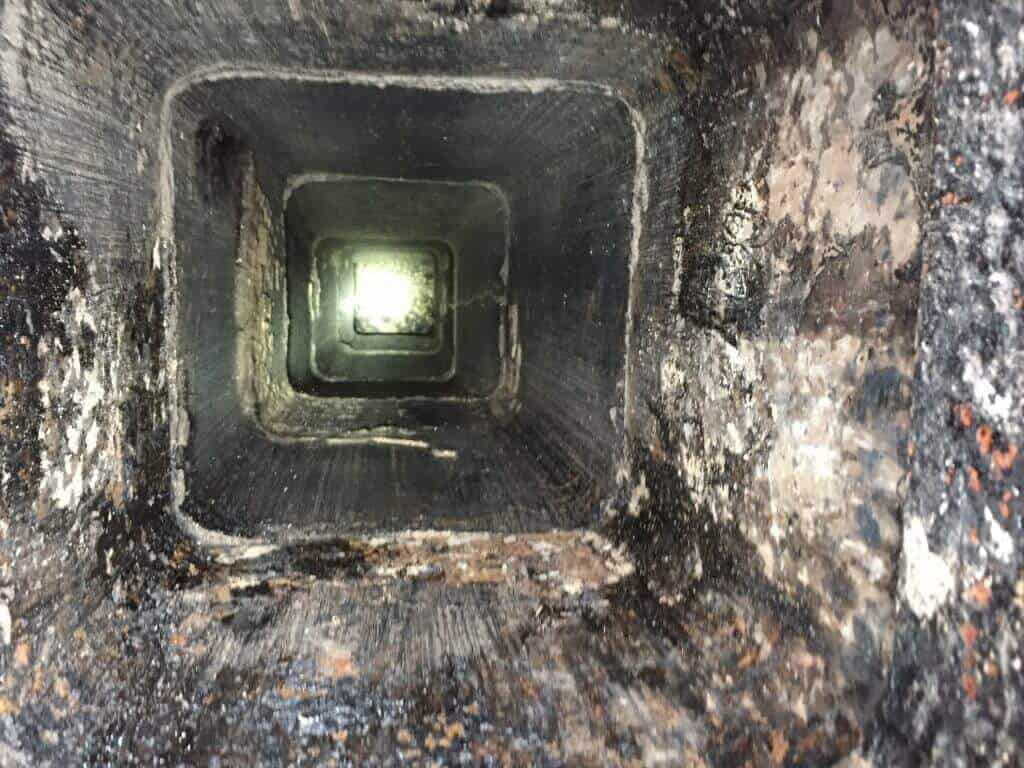
Creosote is a dark, sticky, tar-like substance that forms when wood burns, and it slowly coats the inside of your chimney over time. This is one of the biggest fire hazards in any home with a fireplace. To check for it, put on gloves, grab a flashlight, and look at the inner walls of the flue. If you see a shiny black layer thicker than the width of a coin, or a crusty, flaky buildup, it is time for a professional chimney cleaning. Creosote is highly flammable, and even a thin layer can ignite at high temperatures. Because it builds up out of sight, many homeowners do not realize how much has been collected until a professional inspection reveals it.
Inspect the Damper and Firebox
The damper is the small metal door inside your chimney that opens and closes to control airflow. Before using your fireplace, open and close the damper a few times to make sure it moves freely and seals properly. A stuck or rusted damper can trap smoke inside your home or let cold air rush in when the fireplace is not in use. While you are there, examine the firebox, which is the space where the fire actually burns. Look for cracked bricks, damaged mortar, or rust on any metal parts. These small issues can grow into major safety problems if you ignore them, so it is always better to address them before the burning season begins.
Test for Proper Airflow and Draft
Good airflow is what pulls smoke up and out of your chimney instead of into your room. To test the draft, light a small piece of newspaper and hold it near the open damper. If the smoke rises steadily up the chimney, your draft is working well. If the smoke drifts back into the room, you may have a blockage, a closed damper, or a pressure problem in your home. Poor draft is one of the most common reasons fireplaces fill rooms with smoke, and it should always be fixed before regular use. A simple draft test gives you a clear picture of whether your chimney is ready for the season.
Watch for Signs of Water Damage
Water is one of the quiet enemies of any chimney. Over time, rain and moisture can wear away mortar, rust metal parts, and weaken the entire structure. Look inside your firebox and along the chimney walls for water stains, damp patches, or a musty smell. Check your ceiling and the wall around the chimney for discoloration, peeling paint, or soft spots, as these often point to a leak. In a humid climate, moisture problems can develop faster than many homeowners expect. Catching water damage early keeps a small repair from turning into a costly rebuild.
When to Call a Professional
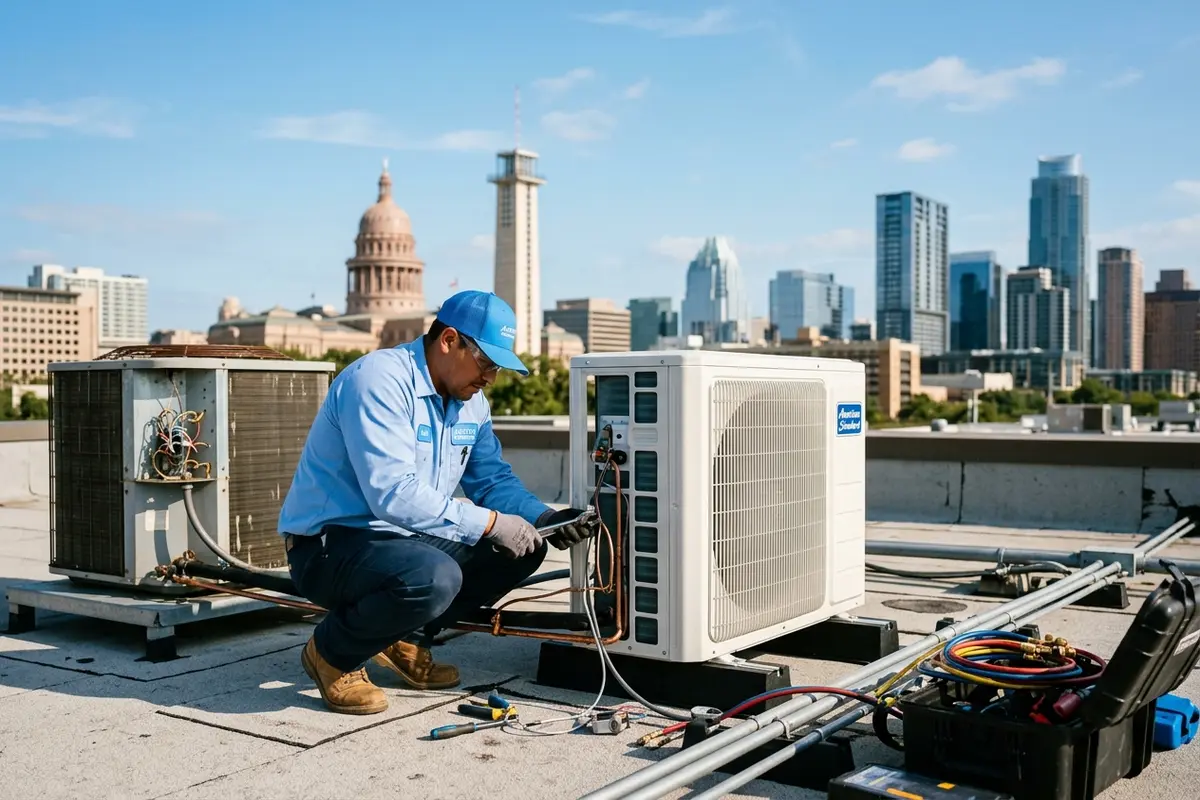
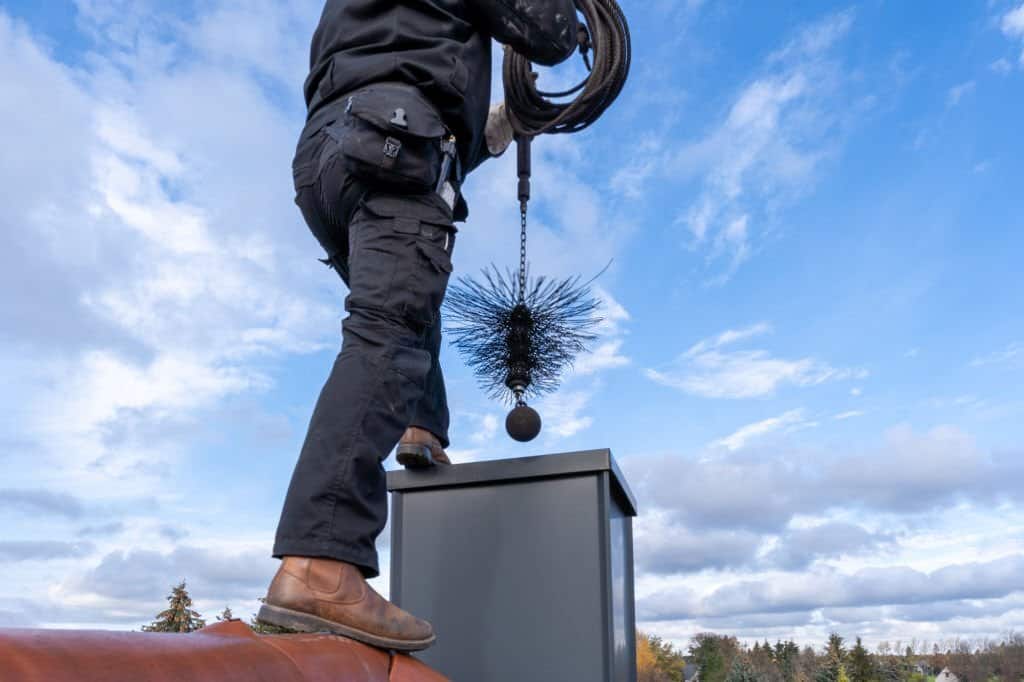
While a homeowner can handle a basic visual check, some things are best left to trained experts. If you find heavy creosote, deep cracks, a stubborn blockage, or any sign of structural damage, it is time to call a professional. Trained technicians have the tools and experience to inspect the parts of your chimney you cannot easily see and to clean it safely. The National Fire Protection Association recommends a professional chimney inspection at least once a year. At Greenwood Air Duct Cleaning, our team offers thorough chimney sweep and inspection services across Austin and nearby areas, helping you catch hidden problems before they become dangerous. A professional check gives you confidence that your fireplace is truly ready and safe to use.
Final Thoughts
Learning how to check your chimney before use is one of the simplest ways to protect your home and family before the cold season arrives. A careful look at the structure, flue, damper, and airflow can reveal hidden dangers like creosote, blockages, and water damage long before they cause harm. While a basic inspection is something every homeowner can do, a yearly professional cleaning gives you the deepest level of safety and peace of mind. If you are in Austin or the surrounding areas, the experienced team at Greenwood Air Duct Cleaning is ready to help with expert chimney sweep and inspection services. Reach out today and enjoy a warm, safe, and worry-free fireplace all season long.