If you want to know how to clean a chimney the right way, the short answer is this: you remove creosote, soot, and debris from the flue using a properly sized chimney brush and rods, working from either the top of the roof or the bottom of the firebox, while protecting your home from dust and checking for damage along the way. At Greenwood Air Duct Cleaning, we help Austin, TX homeowners keep their fireplaces safe and efficient every season, and in this guide, we will walk you through the entire process in plain language. Cleaning a chimney is manageable for many homeowners, but it also carries real safety risks, so it is important to understand each step before you begin.
Why Cleaning Your Chimney Matters
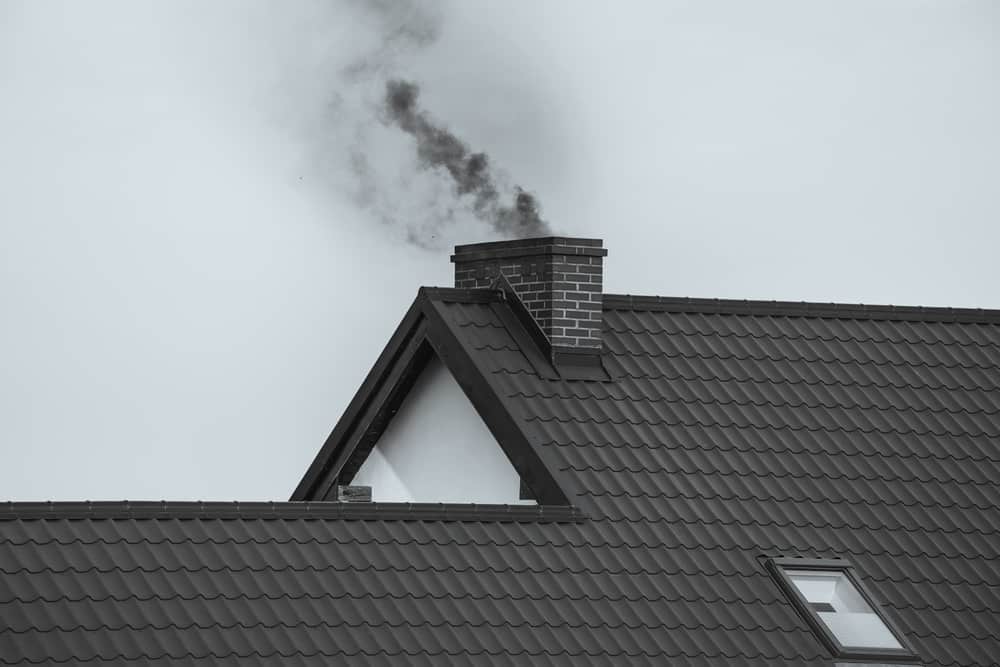
Every time you burn wood, a sticky, tar-like substance called creosote builds up inside the chimney flue. Over time, this layer thickens, and because creosote is highly flammable, a heavy buildup is one of the leading causes of house chimney fires. A dirty chimney also traps smoke and dangerous gases like carbon monoxide inside your home instead of venting them safely outside. On top of the safety concerns, a blocked flue makes your fireplace less efficient, so your fires burn poorly and produce more smoke. Regular cleaning protects your family, your home, and the life of your fireplace, which is exactly why so many Austin homeowners schedule it before the cooler months arrive.
Signs Your Chimney Needs Cleaning
Your chimney usually tells you when it is due for attention. A strong, smoky, or campfire-like smell coming from the fireplace even when it is not in use is often the first clue. You may also notice a thick black layer inside the flue, poor drafting where smoke drifts back into the room, or a hardened, shiny coating on the chimney walls. Some homeowners spot fallen debris, soot flakes, or even signs of birds and small animals nesting in the flue. As a general rule, if you burn wood regularly, the chimney should be inspected every year and cleaned whenever creosote reaches about one-eighth of an inch or more.
Tools and Supplies You Will Need
Before you start, gather the right equipment so you are not climbing up and down repeatedly. You will need a chimney brush that matches the exact size and shape of your flue, along with extension rods to reach the full length. Keep a flashlight and a small mirror handy for inspecting the interior, plus a shop vacuum, a dust mask or respirator, safety goggles, and heavy-duty gloves. To protect your home, lay down a drop cloth or plastic sheeting around the fireplace and seal the opening as much as possible. If your cleaning involves getting on the roof, a stable ladder and proper fall protection are essential, and you should never attempt roof work alone or in wet, windy conditions.
How to Clean a Chimney Step by Step
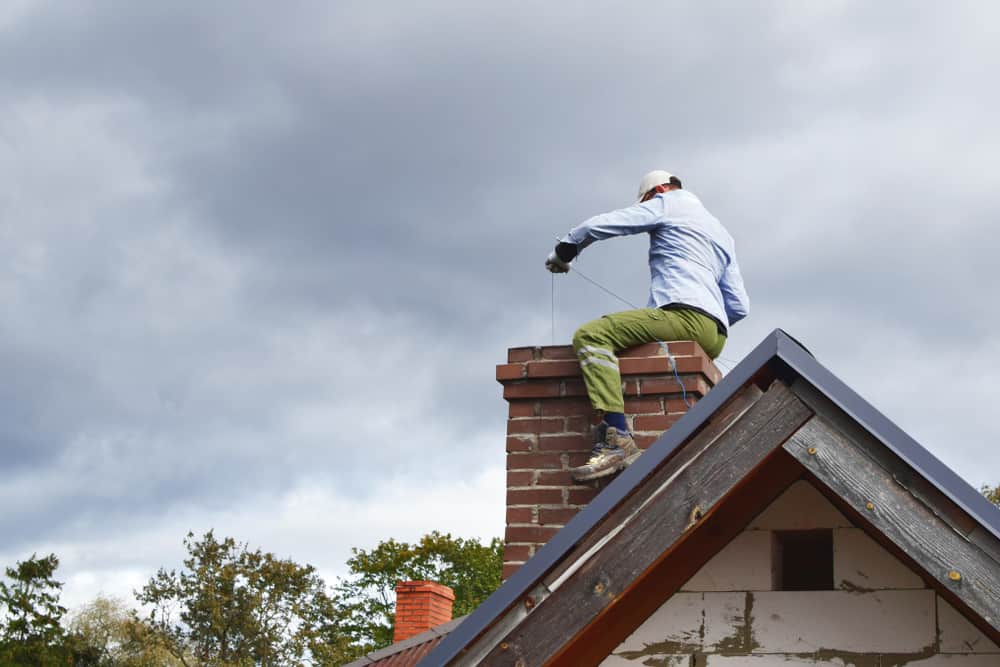
Start by making sure the fireplace is completely cold, and there are no smoldering embers from a recent fire. Open the damper, then seal off the fireplace opening with plastic sheeting and tape so soot does not spread into your living space. Next, decide whether you will clean from the top down or the bottom up. For the top-down method, you climb onto the roof, remove the chimney cap, and insert the brush attached to the rods, then push and pull with firm strokes while adding rods to reach the full depth of the flue. For the bottom-up method, you work from inside the firebox, feeding the brush upward in the same scrubbing motion, which avoids roof access but tends to be dustier.
As you brush, you will feel the creosote and soot loosen and fall. Continue working the brush along every section of the flue until the walls feel smooth and the scraping resistance eases. Once the flue is scrubbed, wait several minutes for the dust to settle, then use your shop vacuum to remove the soot and debris that collected in the firebox and smoke shelf. Finish by inspecting the interior with your flashlight and mirror, checking for cracks, damaged mortar, or any remaining shiny creosote patches. Replace the chimney cap, remove your sheeting carefully, and clean up the surrounding area.
Safety Precautions You Should Never Skip
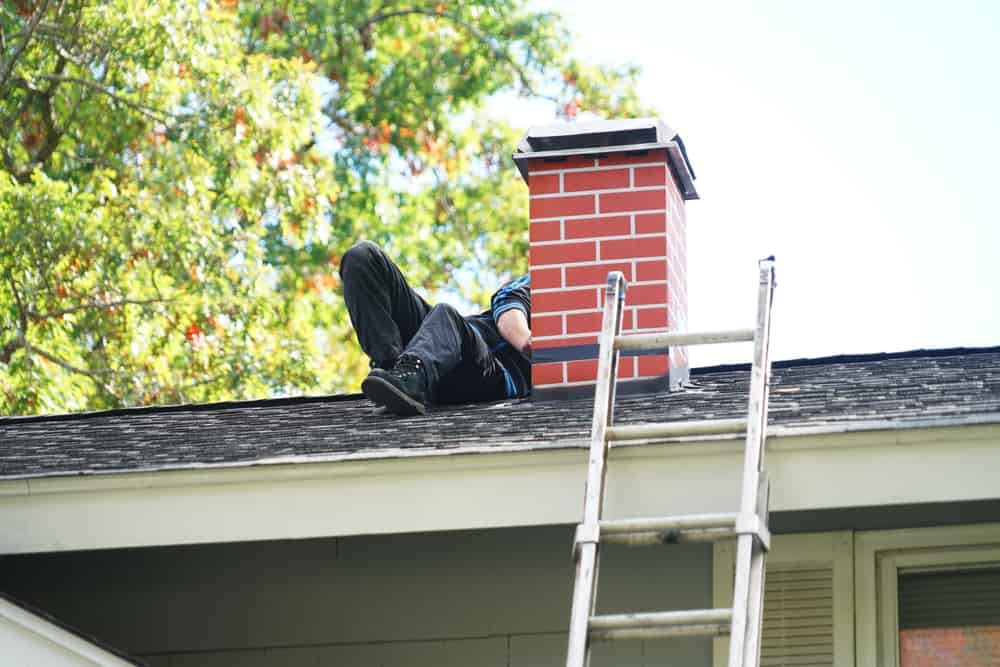
Chimney cleaning looks simple, but it puts you on rooftops and exposes you to fine, harmful particles, so safety has to come first. Always wear a respirator and goggles, because inhaled soot and creosote dust can irritate your lungs and eyes. Never rush roof work, and avoid climbing in rain, high wind, or extreme Texas heat when surfaces are slick or dangerously hot. Keep children and pets well away from the work area, and make sure the fire has been out for at least twenty-four hours before you begin. If at any point you discover a large blockage, a damaged flue liner, an animal nest, or heavy glazed creosote, stop and call a professional, since these situations are difficult and unsafe to handle on your own.
When to Call a Professional Instead
Doing a light cleaning yourself is reasonable, but there are clear moments when calling in a trained technician is the smarter and safer choice. Thick, hardened, glazed creosote will not brush away easily and needs specialized tools to remove safely. Multi-story chimneys, steep roofs, and hard-to-reach flues raise the risk of a serious fall. If you notice cracks, water leaks, a damaged liner, or persistent drafting problems, a professional inspection can catch issues before they turn into expensive repairs or a fire hazard. This is where our team at Greenwood Air Duct Cleaning helps Austin homeowners with thorough chimney sweeping and inspection, using the right equipment to leave your fireplace clean, safe, and ready for the season.
How Often Should You Clean a Chimney?
For most homes, an annual inspection is the baseline, with cleaning done whenever creosote buildup reaches a risky level. Households that burn wood frequently through the winter may need more than one cleaning per season, while homes that use the fireplace only occasionally might go longer between full cleanings. Gas fireplaces still need inspection because vents can become blocked, even though they produce far less creosote. The safest approach is to have a call to a qualified technician check the chimney each year and advise you on the right schedule based on how you actually use your fireplace.

Final Thoughts
Learning how to clean a chimney gives you a real advantage as a homeowner, because a clean flue means safer fires, better airflow, and fewer costly surprises down the road. Light maintenance and regular inspections go a long way toward preventing chimney fires and carbon monoxide risks, but there is no shame in calling for help when the job is beyond a simple brushing. If you would rather leave it to trained professionals, or you simply want the peace of mind that comes with an expert inspection, Greenwood Air Duct Cleaning is here to help homeowners across Austin, TX, keep their chimneys clean, safe, and running efficiently all year long.